The international dentist's guide
The INBDE, from the international dentist's side of the table.
Candidates from non-CODA-accredited programs accounted for 39.3% of INBDE candidate administrations in 2025. That official cohort includes many internationally trained dentists, but it is not a nationality count. This page maps the common advanced-standing journey and lays out a longer-runway preparation approach.
In 2025, first-attempt failure was 34.9% in JCNDE's non-accredited cohort and 7.2% in the CODA-accredited cohort; non-accredited retake failure was 50.5%. (Official JCNDE technical report; full data here.)
The journey
Where the INBDE sits on the road to a U.S. license.
Step 1
Credential evaluation
ADEA CAAPID requires an official foreign-dental-school transcript evaluation, and individual programs set their accepted evaluator and document rules. Check each program before ordering a report.
Step 2
The INBDE
The Integrated National Board Dental Examination is accepted by every U.S. licensing jurisdiction as all or part of its written-exam requirement. Advanced-standing programs commonly require a passing INBDE result, but each program sets its own admissions rules.
Step 3
English proficiency
Many advanced-standing programs require TOEFL, but minimum scores, accepted test dates, and waiver rules vary. Use the live ADEA CAAPID Program Finder instead of relying on a universal cutoff.
Step 4
CAAPID application
ADEA's centralized application for international dentists. The 2026–27 fee is $264 for the first program and $115 for each additional program; supplemental fees and interview or bench-test costs are program-specific.
Step 5
Advanced-standing DDS/DMD
Programs award a U.S. DDS or DMD on an advanced-standing track. Program length, tuition, required tests, eligibility, and class size vary; compare the live ADEA program profiles before building a budget or school list.
Step 6
Licensure
Licensure is jurisdiction-specific. A board may require a clinical examination, jurisprudence assessment, background check, and other documentation in addition to the national written examination.
Worth knowing: the Minnesota pathway
Minnesota publishes a limited-general-license pathway for some graduates of non-CODA dental programs. Eligibility is case-specific and includes Board evaluation, examinations, and supervised practice; it is not an automatic alternative to advanced standing. Read the Minnesota Board's current requirements and confirm your situation directly with the relevant licensing board.
The honest diagnosis
Why the same exam plays harder when you trained abroad.
Different clinical framing
Clinical terminology, drug naming, and treatment-planning conventions can differ across training systems. Practice should surface those differences before a timed case does.
Years since foundational coursework
If your biomedical coursework is no longer recent, a reminder-only question bank may not be enough. Build the Foundation Knowledge areas first, then integrate them into cases.
The Patient Box format
Day 2 is 140 case-based items. The official Patient Box can include history, medications, vitals, dental charts, images, and other information available at the visit, all of which must be considered when answering.
Language load under the clock
If you are studying in a second language, use plain-language explanations to learn clinical terms and practice timed reading. The goal is familiarity with the wording, not translation during the exam.
Higher stakes per attempt
The 2026 exam fee is $890, plus a $435 processing fee for candidates from non-CODA programs: $1,325 per attempt. Unsuccessful candidates must wait at least 60 days, with no more than four administrations in a one-year period.
None of this is about ability
Group-level pass-rate data cannot explain why a person passes or fails, and it does not measure ability. Use it to understand the size of the cohort difference, not to predict your own result.
What actually helps
Case-first, ESL-aware, and paced for a real runway.
Case-first practice
Two hundred of the exam's 500 items are case-based, and all of Day 2 is Patient Box testlets. Dentovio makes chart-reading the core skill you train: extracting what matters from meds, vitals, and radiographs while ignoring planted distractors.
Re-teaching, not reminding
Foundation Knowledge modules assume the material may be years behind you and rebuild it under U.S. clinical framing — the terminology, drug conventions, and treatment-planning logic the exam expects — instead of firing flashcards at a memory that is not there yet.
A 3–6 month schedule
Most internationally trained candidates study while working, so the schedules here run 3 to 6 months, week by week — from foundational re-learning through question banks to Day 2 endurance and full-length simulation. See the schedules.
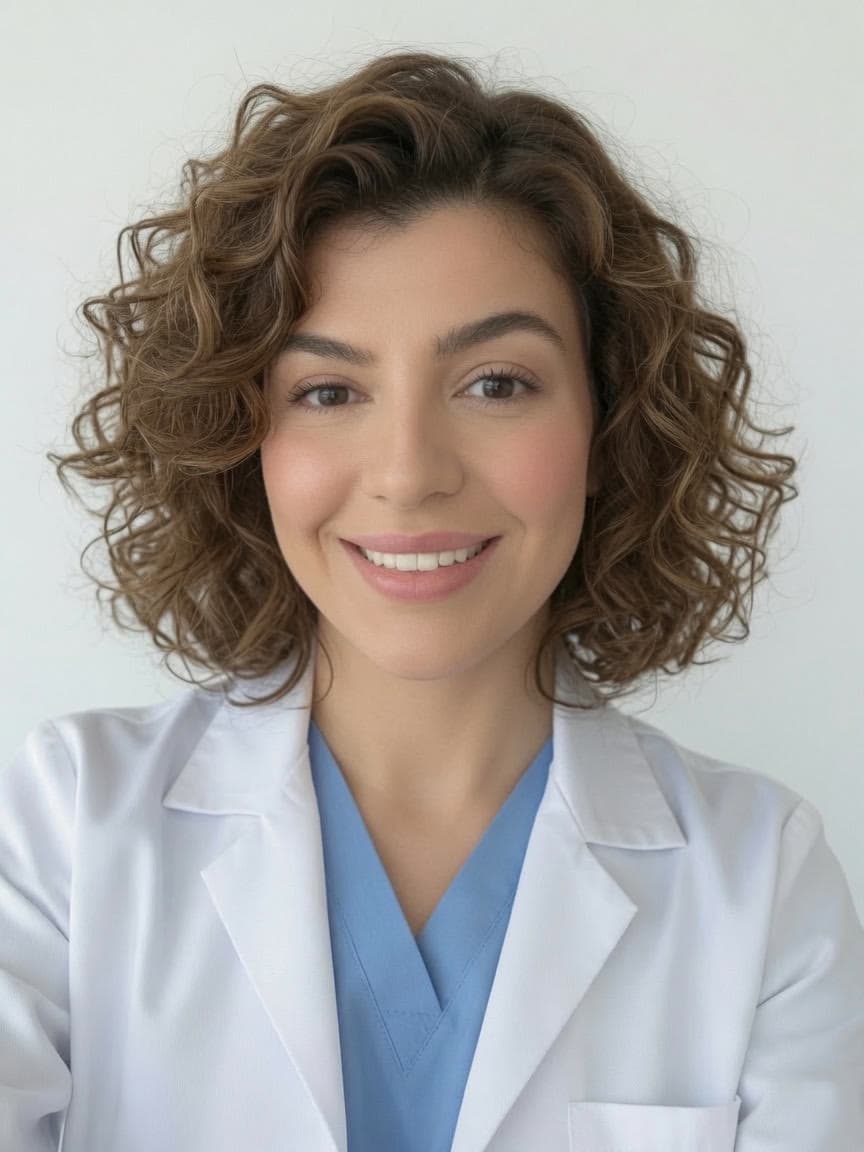
INBDE clinical quality advisor
Mahtab Mansour, DDS
Mahtab Mansour, DDS, supports Dentovio's clinical quality process. The public international-dentist guide remains available independently of reviewer metadata.
Last verified 2026-07-12. Sources: JCNDE, ADEA CAAPID, and linked state-board guidance. Licensure and admissions requirements change and vary by jurisdiction and program; confirm them with the board or school before acting. INBDE® is a registered trademark of the American Dental Association, administered by the Joint Commission on National Dental Examinations (JCNDE). Dentovio is an independent prep provider and is not affiliated with, endorsed by, or sponsored by JCNDE or the ADA.